
- October 22, 2026
- Mark Elwes
How to Set a Realistic Christmas Spending Limit Before Borrowing?
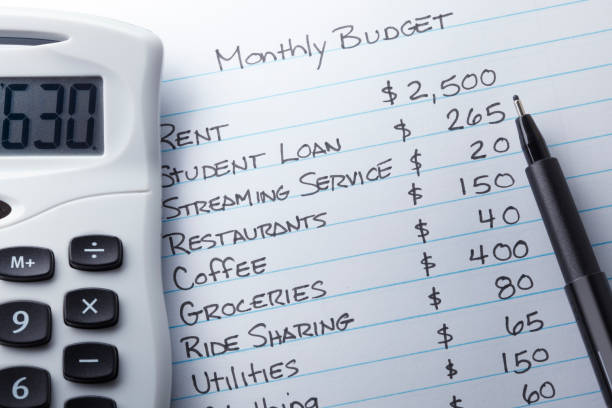
Set a limit on borrowing for Christmas expenses by calculating your monthly budget. Check how much you spend per month on rent, groceries, credit cards, transport, utility bills and other non-negotiable expenses. Set a realistic limit on the amount that you can repay comfortably per month as a loan instalment.
Why do individuals depend on loans for Christmas expenses?
According to 2025 Christmas statistics, “ one in five individuals borrowed money for Christmas expenses.” Out of these, 75% of individuals borrowed money to cover gift costs.
One may borrow money for Christmas spending as one lacks sufficient savings to cover the occasional needs. Expenses usually extend the basic budget during Christmas.
According to research by MoneySuperMarket, “the average household may spend around £1681.12 on Christmas 2026”. It is more than half of the estimated average monthly income in the UK.
Therefore, most individuals skip the desired purchases and resort to what they can afford. However, some lenders provide Christmas loans for people on a tight budget in the UK.
It helps individuals finance essential occasion-related expenses without giving up on the Christmas vibe and celebrations. Fixed monthly payments, fixed interest and flexibility on repayments make it a feasible option. However, one must apply for an amount that they can repay comfortably.
Which expenses should you plan Pre-Christmas?
You should start saving for decorations, presents, council tax, VAT, and other bill payments. It will help you analyse how much you can afford from your savings. Accordingly, decide the amount you should borrow to meet needs comfortably.
Why is it ideal to set a Christmas expenses limit early?
Setting a spending limit helps avoid unnecessary borrowing and overspending. Instead, you can compare the loan offers, terms within the decided spending limit.
Without a spending limit, you are more likely to overspend on aspects that you like the most. It could be shopping for apparel, gifts, travel, and food.
Therefore, setting borrowing limits are an important part of Christmas planning. It will help you avoid a long cycle of debt-trap.
5 Steps to set borrowing limits for Christmas expenses
Here are some steps that you may follow to set borrowing limits for Christmas-specific expenses:
- Step 1- Review last year’s Christmas expenses
What was your last year’s budget for expenses like lighting, decorations, dinner, gifts, drinks and snacks, holiday travel, etc.? Check whether the costs have increased. Analyse how much your income has increased and your Christmas priorities.
Analyse the total amount that you spent last year on Christmas. Analyse the aspects where you could have cut the costs. Now, plan a new budget for this year’s Christmas by eliminating the financial mistakes that you committed last year.
For example, if you forgot to save money for emergency expenses, set some cash aside for unplanned needs. Similarly, if you spent £800 last year on Christmas expenses, you could have saved up £650. It means you can easily save £250 on expenses. So, your starting limit should be £250.
- Step 2- Determine ideal Christmas budget
An ideal Christmas budget is a limit that helps you achieve your Christmas-related goals without affecting the essential monthly expenses. Don’t forget to include budgeting for unexpected expenses. Here is how you can determine the budget:
| Item | Monthly amount |
| Take-home pay | £2,200 |
| Rent | £850 |
| Utilities | £250 |
| transport | £450 |
| Debt repayments | £150 |
| Emergency buffer | £100 |
| Remaining Christmas budget | £400 |
If you save £400 per month from now until December, you can easily save £1200. This is your maximum festive budget. Check and use the amount wisely; save some if you can. If you cannot, borrow only up to £1200; not more.
- Step 3- Split Christmas budget into categories
Creating separate categories will help you split the Christmas expenses into affordable halves. Here is how you can do so:
| Category | Approximate budget |
| Gifts | £500 |
| Food and drinks | £200 |
| Decorations and invitations | £80 |
| Unexpected costs | £200 |
| Miscellaneous | £20 |
| Total | £1000 |
- Step 4 – Don’t forget about hidden costs
Christmas expenses do not include only gifts and food. Don’t underestimate the less important costs, which are generally termed as miscellaneous. Here are some costs to acknowledge:
- Extra food or drinking supplies
- Parking, bus, or train tickets
- Decorating paper, gift wrapper, and cards
- School fancy dress competition for your kids
- Last-minute replacements
One generally panics with the last -minute cashless situations. If you need urgent money to supplement a new chair or seating arrangement, check out loans. Don’t hesitate just because you lack a decent credit history.
You may get bad credit Christmas loans with affordable repayments online. Check the APR, interest rates, and total repayable amount. Choose a comfortable repayment term and monthly instalment amount. It helps you cover essential last-minute requirements quickly.
- Step 5: Borrow only within the decided limit
If you cannot avoid borrowing, then borrow money only within the limit. Consider the following aspects:
- Borrow after analysing the January bill liabilities.
- Compare APR, interest rates, total repayable and other costs.
- Avoid borrowing a higher amount unnecessarily.
- Avoid taking loans to repay another.
Bottom line
This is how you can set realistic Christmas spending limit before borrowing money. Analyse your income and create a Christmas budget. Stick to the important aspects that you must buy for a comfortable occasion. Keep the January bills in the mind before borrowing.

Mark Elwes is the Editor-in-Chief at Extramilefinance. He is a notable member of the content strategy team since his joining in 2017. Driven by his fondness for the finance industry, he has spent years gathering as much knowledge as possible about various financial products that include loans also. Previously, Mark worked as a senior journalist writer with experience in writing blogs and articles.