- October 20, 2026
- Mark Elwes
How to Budget for Loan Repayments When Your Income Changes Each Month
If your income is irregular, keeping up with loan repayments can be challenging. This month you earn more than expected, while the next month could bring fewer working hours, fewer clients or a temporary gap in employment. Without a clear budget, it can be difficult to know how much you can safely afford to borrow and repay.
Whether you are self-employed, a freelancer or a seasonal worker, a flexible budget can help you manage essential expenses and get by quieter months.
How to budget for loan repayments when your income is flexible
Here is how you can budget for loan repayments when your income is flexible:
- Know your average income
Since your earnings are not consistent throughout the year, calculating the average monthly income is a must to create a budget. Budgeting around your best months will leave you struggling when earnings significantly fall.
To calculate average monthly income, review earnings over the last six to 12 months. In addition to average monthly income, figure out the lowest and essential monthly income.
The lowest monthly income refers to the sum you will need to get by dry months, while essential monthly income refers to the sum you need to cover only the basic living costs. The lowest monthly income will certainly be higher than the essential monthly income. You will need to take stock of your expenses to calculate that.
Consider using the lowest monthly income to create a budget if your income is highly unpredictable.
- Create a list of expenses
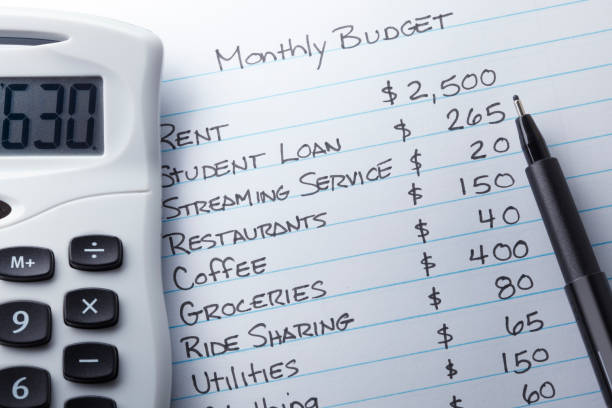
Before deciding how much you can afford to repay, you need to calculate the cost of living each month. Start with essential expenses such as:
- Rent or mortgage payments
- Utility bills
- Childcare and insurance
- Food and other household essentials
- Existing credit cards and loans
Now allow for irregular expenses such as vehicle repairs and any other emergencies. Divide this cost into a monthly amount to avoid being caught off guard.
Make sure that your monthly income is larger than essential expenses.
- Manage a personal or business account separately
As your income fluctuates every month, you should keep your business account separate from your personal account. Your business account will hold all the money you receive from clients, and each month you’ll transfer only the amount you need to cover your personal living expenses into your personal account.
This will preclude you from overspending money especially when you make lots of money unexpectedly. Do not forget that you need to set aside money for unexpected expenses from your monthly earnings. Open a savings account and choose a specific amount of contribution. Pay yourself first, so you do not end up exhausting your savings. These savings will help cover essential expenses when a dry period extends longer than expected.
Your essentials include loan repayments as well. Chances are you still struggle to manage repayments. In that case, you will need to increase your income.
- Borrow responsibly
It is likely that your savings fall short of cash when emergencies crop up. You might be forced to dip into the reserves of next month’s income to cover them. It might cause difficulty meeting loan repayments which are due in the coming months. In order to tackle this situation, try cutting back on your essential expenses. For instance, you can live off staple foods such as pasta, spaghetti, rice and potatoes.
But what if you are out of work? There are lenders who might lend you money, but they will still require proof of irregular income to ensure your affordability. If you take out unemployed loans for people receiving irregular income, make sure that you can afford to repay them. You should not be able to struggle with meeting essential expenses, including other debt obligations, in the coming months.
Before borrowing money, assess your needs. If the nature of the expense is not urgent, drop the idea of borrowing money. This piece of advice should be followed other times as well. Postponement can prevent you from paying interest. In the meantime, you can create a budget.
If it is urgent, consider the following factors to assess whether a loan is affordable:
- Monthly repayments
- Interest rates and fees
- Loan terms
- Existing obligations
- Income stability
There are various borrowing options for people with no fixed monthly income, but before you consider them, check your affordability. You should consider borrowing money only when you are certain about your repayment capacity.
What should you do if you cannot make a loan repayment?
If your income suddenly falls and you are worried about missing a payment, you should act as early as possible.
- Contact your lender
Explain your circumstances and ask whether your lender can offer support in terms of affordable arrangements. Options depend on the lender and your situation.
- Review your essential spending
It is likely that the proposed support by the lender is not enough. You cannot stop making repayments. In order to deal with this situation, identify non-essential costs that can temporarily be reduced.
- Prioritise essential bills and debts carefully
Make sure that you manage to make all essential payments. These not only include debt payments but council tax and energy bills also. If you are unsure about your repayment capacity, consider debt advice. You can also get independent debt support from organisations such as StepChange, National Debtline and Citizens Advice.
The bottom line
Budgeting for loan repayments when your income changes each month might be intimidating, but with planning for uncertainty, you can stay on top of your expenses. Try to figure out your average monthly income. Make sure that you keep your business accounts separate from personal accounts and do not overspend.
You will still need to create an emergency cushion. This will help you cover unexpected expenses when you do not have enough projects. An emergency cushion will preclude you from borrowing money every now and then. However, if you still need to borrow money, do it responsibly. Get debt advice if you need help.
FAQs
- How do I decide how much to transfer from my business account to my personal account?
Transfer only what you need to cover essential living costs and loan repayments. Leave the rest in your business account to build a buffer for dry months.
- What are the risks of taking out unemployed loans with irregular income?
The main risk includes higher interest rates. Before borrowing money, you should always compare lenders carefully and ensure repayments easily fit in your monthly budget.
- How do lenders assess affordability if income is irregular?
Many lenders will look at your average income over several months and your overall financial stability. Provide clear records of your earnings in order to increase your approval chances.

Mark Elwes is the Editor-in-Chief at Extramilefinance. He is a notable member of the content strategy team since his joining in 2017. Driven by his fondness for the finance industry, he has spent years gathering as much knowledge as possible about various financial products that include loans also. Previously, Mark worked as a senior journalist writer with experience in writing blogs and articles.