
- November 19, 2026
- Mark Elwes
How to Review Your Credit File and Correct Errors Before Applying for a Loan?
A loan refusal can feel unfair, especially if you believe your repayments are up to date. Before applying again, complete proper credit report checks for loan applications. Mistakes happen, and fixing them could improve your chances.
This guide explains how to check your UK credit reports, spot common errors, and dispute inaccurate records. It also covers how to improve credit file before applying for business finance and find responsible borrowing options for bad credit applicants.
Why Lenders Check Your Credit File
When you apply for a loan, lenders look at your repayment history, existing debts, and affordability. They use information held by credit reference agencies (CRAs), including Experian, Equifax, TransUnion, and Crediva.
Different lenders may use different agencies. That means one report can look fine while another shows an error.
Your credit file does not decide the outcome on its own. The lender makes the final decision using its own lending rules and affordability checks.
What Appears on Your Report?
Your credit report may include:
- Your name, address history, and electoral roll details.
- Credit cards, loans, overdrafts, mortgages, and mobile contracts.
- Repayment history, including missed or late payments.
- Credit applications and hard searches.
- Defaults, County Court judgments (CCJs), and insolvency records.
- Financial associations, such as a joint account with another person.
Accurate negative records, such as a missed payment, usually stay on your report for six years. You cannot remove them early, but you can make sure they are correct.
How to Check Your UK Credit Reports?
You are legally entitled to a free statutory credit report from each CRA. You can check your file as often as you like, and checking it counts as a soft search, so it does not affect your credit score.
Check more than one agency
Check all four agencies before a major application:
- Experian — offers free report access through its app and a free statutory report.
- Equifax — offers a free statutory report through its free Basic account.
- TransUnion — offers a free statutory report and is used by several free credit-score services.
- Crediva — also provides a free statutory credit report.
Free services such as ClearScore can show Equifax data, while other services may use TransUnion. They are useful, but they do not replace checking each agency directly.
Start at least four to six weeks before applying. This leaves time to correct errors and settle any disputed records.
6 errors that can hurt a loan application
Read every entry carefully. Do not assume a record is correct simply because you recognise the lender.
| Error type | What to check | Why it matters |
| Wrong personal details | Name, address history, date of birth | A mismatch can slow identity checks |
| Old addresses | Current and previous addresses | Incorrect addresses can affect verification |
| Closed accounts | Loans and cards you have repaid | Open accounts may affect affordability |
| Incorrect balances | Amounts owed and credit limits | Inflated debt can make you look overstretched |
| Missed-payment records | Dates, amounts, and account status | Inaccurate arrears can damage an application |
| Unknown credit | Accounts or applications you did not make | This may indicate fraud or impersonation |
Also check for financial links you no longer have. A joint account or shared mortgage can connect your file to someone else’s credit history.
How to Correct an Error?
If you find a mistake, report it to the CRA that holds the record. The agency will contact the lender or data provider to investigate.
Steps to Dispute a Mistake
- Save or download a copy of the report.
- Highlight the exact entry you believe is wrong.
- Gather evidence, such as bank statements or settlement letters.
- Raise a dispute directly with the relevant CRA.
- Check the updated report once the investigation ends.
CRAs should complete the investigation within 28 days. While the record is disputed, it should be marked as disputed and lenders should not rely on it when assessing your credit rating.
If the issue is not resolved, complain to the lender or CRA. You can then escalate an unresolved complaint to the Financial Ombudsman Service.
Add Context with a Notice of Correction
You can add a Notice of Correction to explain circumstances behind a past payment problem. This may cover illness, bereavement, redundancy, or a temporary income shock.
The note does not improve your credit score. It can also slow applications because a lender may need to read it manually.
Add the notice to every relevant agency. A correction filed with Experian does not automatically appear on Equifax, TransUnion, or Crediva.
Improve Your File Before Borrowing
Correcting errors is only part of the job. Lenders also want to see that repayments fit comfortably within your budget.
- Pay every bill and existing credit commitment on time.
- Reduce credit-card balances before applying.
- Avoid several loan applications in a short period.
- Register on the electoral roll at your current address.
- Close unused accounts only if it will not disrupt your finances.
- Build a small emergency fund to reduce reliance on credit.
- Check affordability before requesting finance.
A Simple Pound Example
Suppose you apply for a £3,000 loan over 24 months at a representative APR of 12.9%. Your monthly repayment could be around £118, with total repayments of roughly £2,838. Exact figures depend on the lender, fees, and your credit assessment.
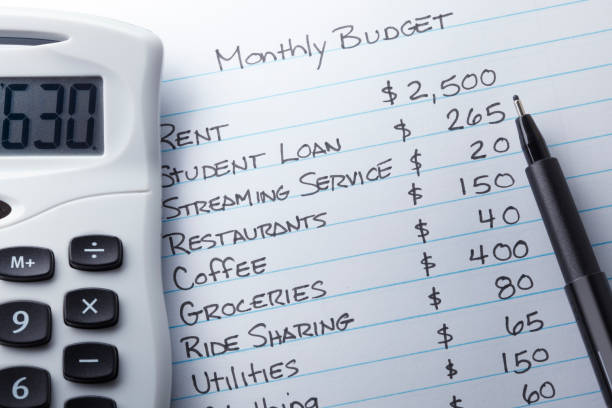
Before applying, check whether £118 fits your monthly budget after rent, food, transport, and other commitments. If it does not, borrow less or wait until your finances improve.
Warning: If you do not meet the repayments on your loan, your account will go into arrears. This may affect your credit rating, which may limit your ability to access credit in the future.
When Bad Credit Is Holding You Back
A poor credit history does not mean you have no options. But responsible borrowing matters, especially if you have missed payments, arrears, or existing debts.
Focus on affordability, not simply approval. A smaller loan, a longer term, or delaying the application may protect your budget and credit record.
Considering a loan? If your credit file is accurate and your budget can support repayments, explore flexible bad credit loan options through Extramilefinance. A quick eligibility check or rate estimate should not affect your credit score.
Questions Borrowers Ask
- How do I check my credit report in the UK?
Request a free statutory credit report from Experian, Equifax, TransUnion, and Crediva. You can check each report as often as you like, and doing so counts as a soft search that does not affect your credit score.
- Can I remove missed payments from my credit file?
You cannot remove accurate missed-payment records. You can dispute information that is wrong, incomplete, or out of date, and add a Notice of Correction to explain genuine circumstances.
- How long do missed payments stay on my credit report?
Accurate negative information, including missed payments, usually remains on a UK credit report for six years. It cannot be removed sooner simply because you have improved your finances.
- Does checking my own credit report affect my credit score?
No. Checking your own credit report is a soft search and does not affect your credit rating or chances of being accepted for credit.
- What should I do if I find credit I do not recognise?
Contact the lender and the relevant CRA immediately. Report suspected fraud, place a fraud alert if appropriate, and ask the CRA to investigate the unrecognised entry.

Mark Elwes is the Editor-in-Chief at Extramilefinance. He is a notable member of the content strategy team since his joining in 2017. Driven by his fondness for the finance industry, he has spent years gathering as much knowledge as possible about various financial products that include loans also. Previously, Mark worked as a senior journalist writer with experience in writing blogs and articles.